This Article Was Last Updated: August 31, 2026 by Oseg Hale
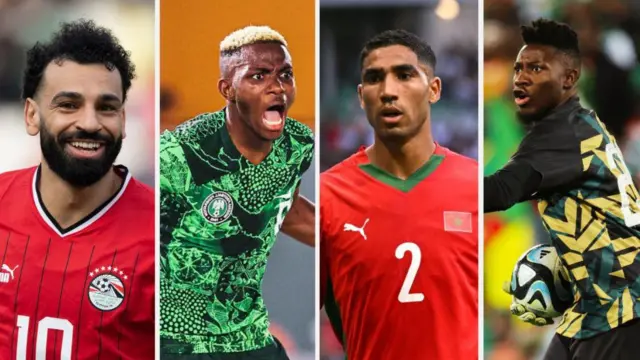
Football Kit Brands in Africa are at the centre of the 2026 African football kit market, where global sports brands compete with growing local production. Demand is strong because of the expanded FIFA World Cup format and regular Africa Cup of Nations tournaments. Kits are more than sports clothing; they show national identity, culture and commercial value.
Across Africa, football shirts are part of everyday life. Fans wear them in stadiums, cities and diaspora communities around the world. In 2026, the market is shaped by five main brands: Nike, Adidas, Puma, AFA Sports and Macron. Each brand uses a different approach, mixing global reach with local partnerships and African production growth.
Why Football Kits Matter in Africa in 2026
Football kits in Africa carry strong national meaning and business value. A national team kit represents the country, so fans and federations care a lot about design and supply deals.
Puma has the strongest presence among African national teams in 2026. It supplies Ghana, Senegal, Morocco, Ivory Coast, and Egypt. This makes it the most used kit supplier for African teams at major tournaments.
At the same time, Nike and Adidas remain global leaders. However, they focus on fewer African national teams while staying strong through big partnerships, retail stores, and global marketing. Adidas also continues to supply South Africa in the current cycle.
The market has clear layers. Nike, Adidas, and Puma lead global football. Puma leads African national team coverage. AFA Sports grows local manufacturing in Africa, while Macron works with smaller and developing football nations.
5 Best Football Kit Brands in Africa
1. Puma: Leading Brand in African Football Kits
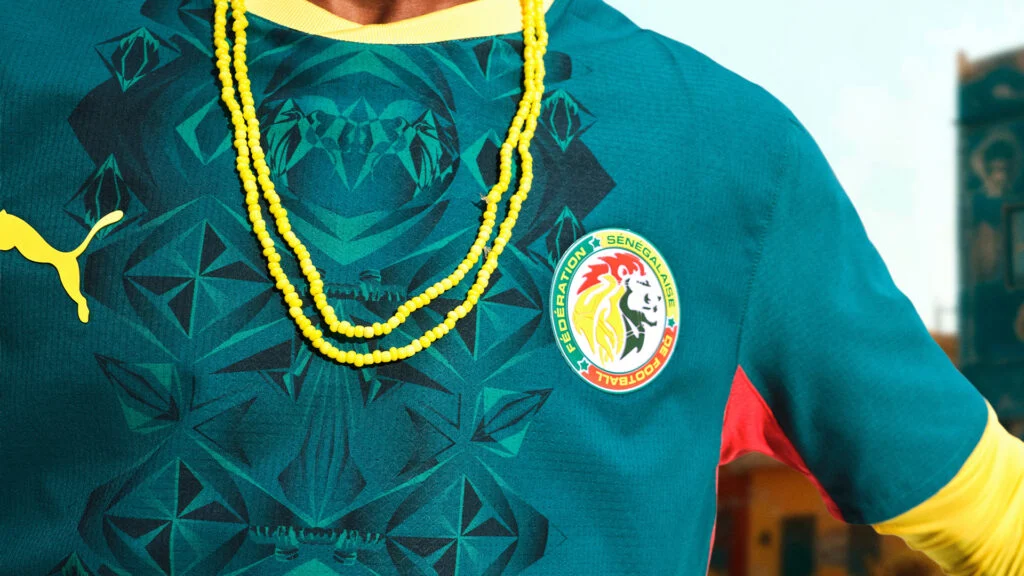
Puma leads football kit supply in Africa in 2026 because it focuses strongly on national teams. It does not try to cover every market. Instead, it builds strong links in selected African countries.
Puma supplies five major African teams in the current World Cup cycle: Ghana, Senegal, Morocco, Ivory Coast, and Egypt. This gives it the highest African national team coverage of any brand.
This approach works well in countries where football is a key part of national identity. It also supports strong fan demand in local and international markets.
Puma kits often include cultural design ideas. Ghana kits may use traditional symbols. Morocco and Senegal kits may include patterns inspired by regional art. Egypt kits often connect to historical themes.
African football has produced some of the most popular kit launches, including Nigeria’s famous 2018 jersey, which became a global success and showed the commercial value of African football shirts.
Puma also sells well in African markets and among diaspora fans. Its visibility grows during major tournaments when African teams play on the world stage.
Puma’s strengths include strong African presence, cultural designs, and high visibility in tournaments. However, some designs feel similar across different teams.
2. Adidas: Premium Brand with Selective Partnerships
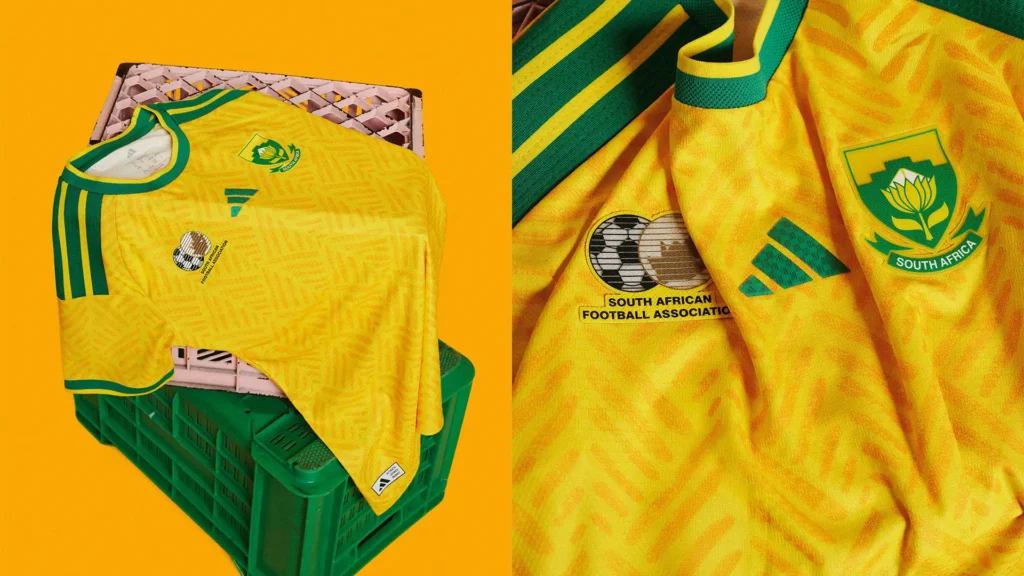
Adidas uses a selective strategy in African football. It works with fewer national teams but focuses on long-term partnerships.
Adidas continues to supply South Africa in the current cycle. This shows it prefers strong and stable deals instead of wide coverage.
Adidas kits are simple and clean. They focus on national colours and small design details instead of bold patterns. This gives a premium and consistent look.
Adidas is strong in major African cities through retail stores. It also benefits from its global image and influence in European football.
Adidas has strong brand value and consistent design quality. However, it works with fewer African national teams and uses less cultural storytelling.
3. Nike
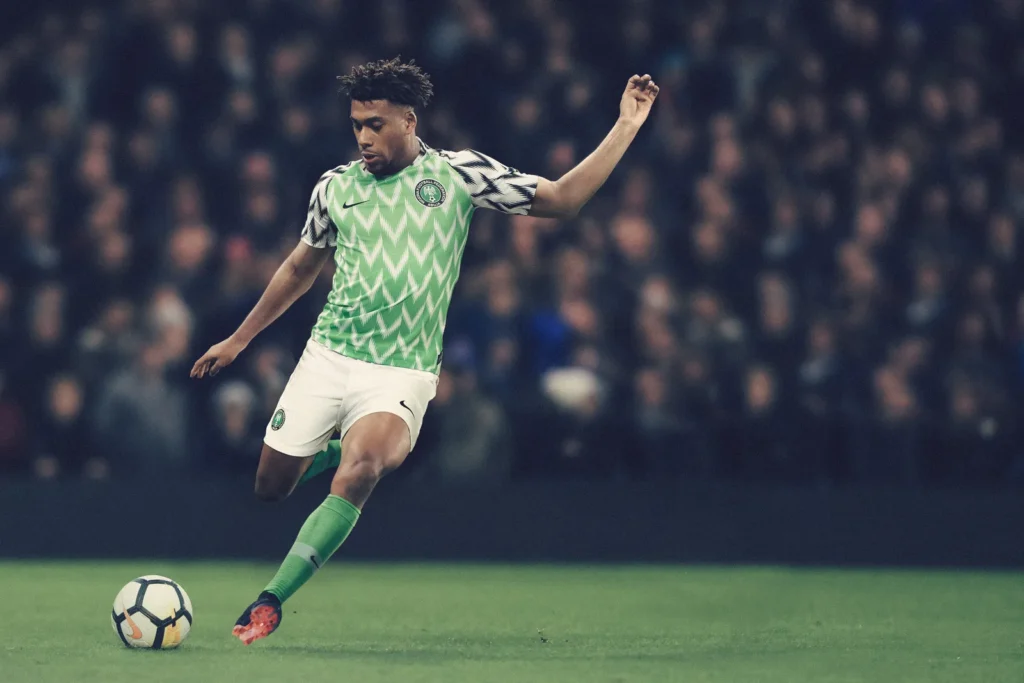
Nike is the most powerful sports brand in the world. It also has strong influence in Africa, but it works with only a few national teams.
Nike chooses teams with high global attention. This helps it reach more fans through media and marketing. Global stars also help sell more football shirts. Players like Victor Osimhen make more fans want to buy national team and club jerseys.
Nike kits are simple and modern. They focus more on performance than cultural design. In Africa, many fans like Nike because top players in Europe wear the brand.
Nike also has strong retail stores in African cities and uses global advertising campaigns. Its brand is very popular among young fans.
Nike’s strengths are global power, strong player links, and high visibility. Its weakness is low African national team coverage and limited cultural design focus.
4. AFA Sports: African-Owned Sportswear Brand
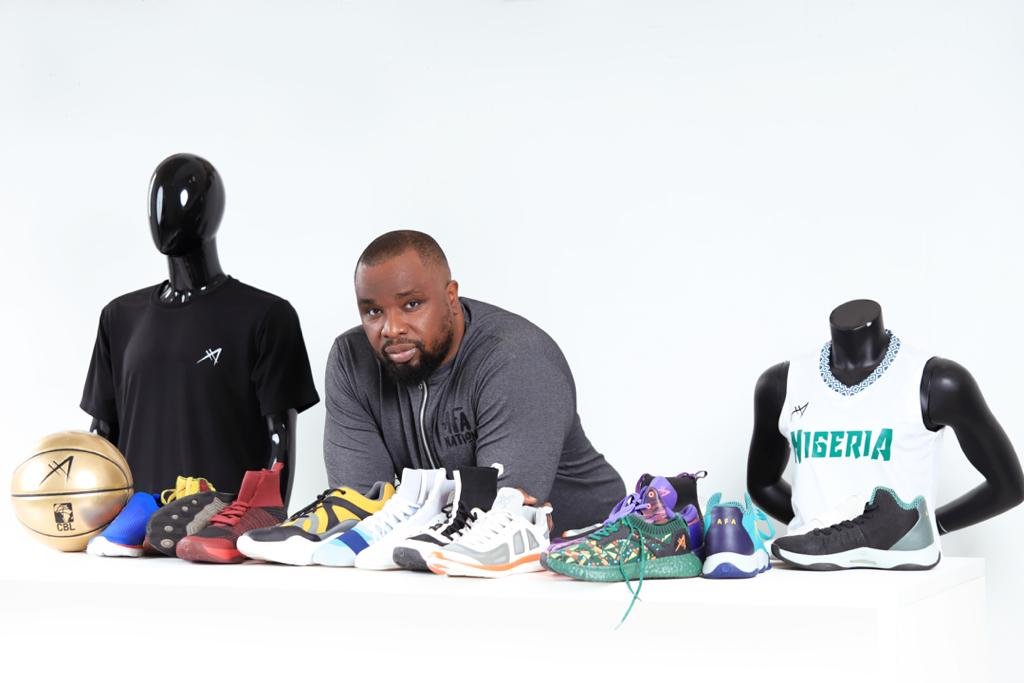
AFA Sports is a growing African sportswear brand. It focuses on local production and African identity instead of global expansion.
The brand makes sportswear for African conditions. It uses materials and designs that fit local weather and culture. It has worked in athletics and basketball and is now growing in football.
AFA Sports helps reduce import dependence and supports local jobs in Africa. It also helps build a stronger sports manufacturing base on the continent.
However, it still has limits. It does not have strong global reach and works with fewer major football teams. It also has low visibility in big international tournaments.
Even with these limits, AFA Sports is important for African sports growth.
5. Macron: Supplier for Emerging Football Markets
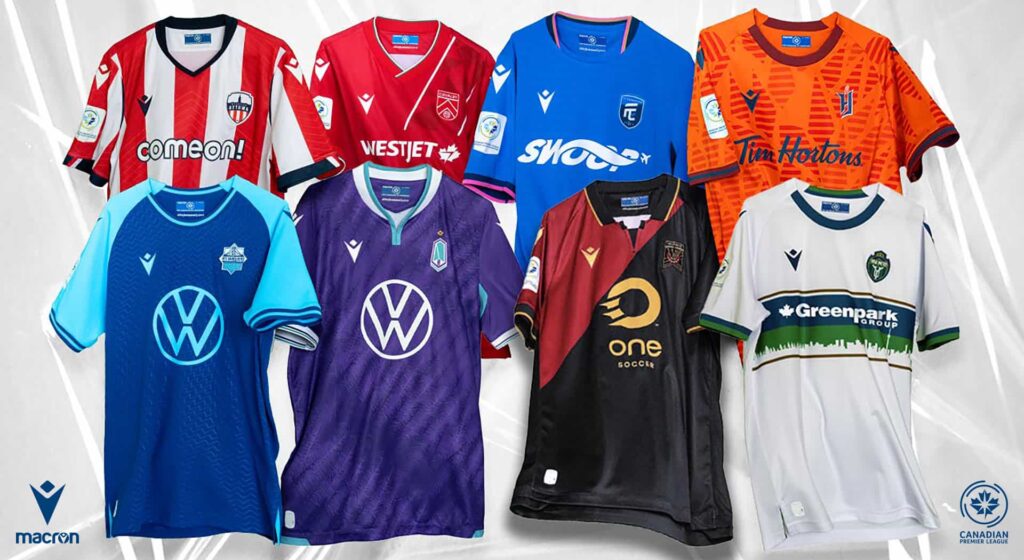
Macron is a European sportswear brand with a steady role in African football. It focuses on smaller national teams and developing football nations.
Macron works with teams that need affordable and reliable kits. It also supplies club teams in parts of North and West Africa.
Macron kits are simple and practical. They focus on comfort and performance rather than design or cultural themes.
Macron fills an important gap in the market. It supports teams that are not covered by bigger global brands.
Macron’s strengths are low cost, reliable quality, and steady growth. Its weaknesses are low brand visibility and no major African national team.
Conclusion
Football Kit Brands in Africa define the 2026 African football kit market, where global sportswear companies and local manufacturers compete for national team partnerships and fan demand. Kits reflect identity, culture, performance, and commercial value across African football.
Puma leads African national team supply with Ghana, Senegal, Morocco, Ivory Coast and Egypt. Adidas and Nike focus on fewer African teams while maintaining global influence. AFA Sports expands local production, while Macron supports emerging national teams. Kits combine performance, identity, and culture.
Nigeria remains one of Africa’s biggest markets for football shirts, and the Super Eagles have some of the continent’s most popular national team jerseys. Readers who want to learn more can also read about the history of the Super Eagles jersey.