This Article Was Last Updated: August 31, 2026 by Oseg Hale
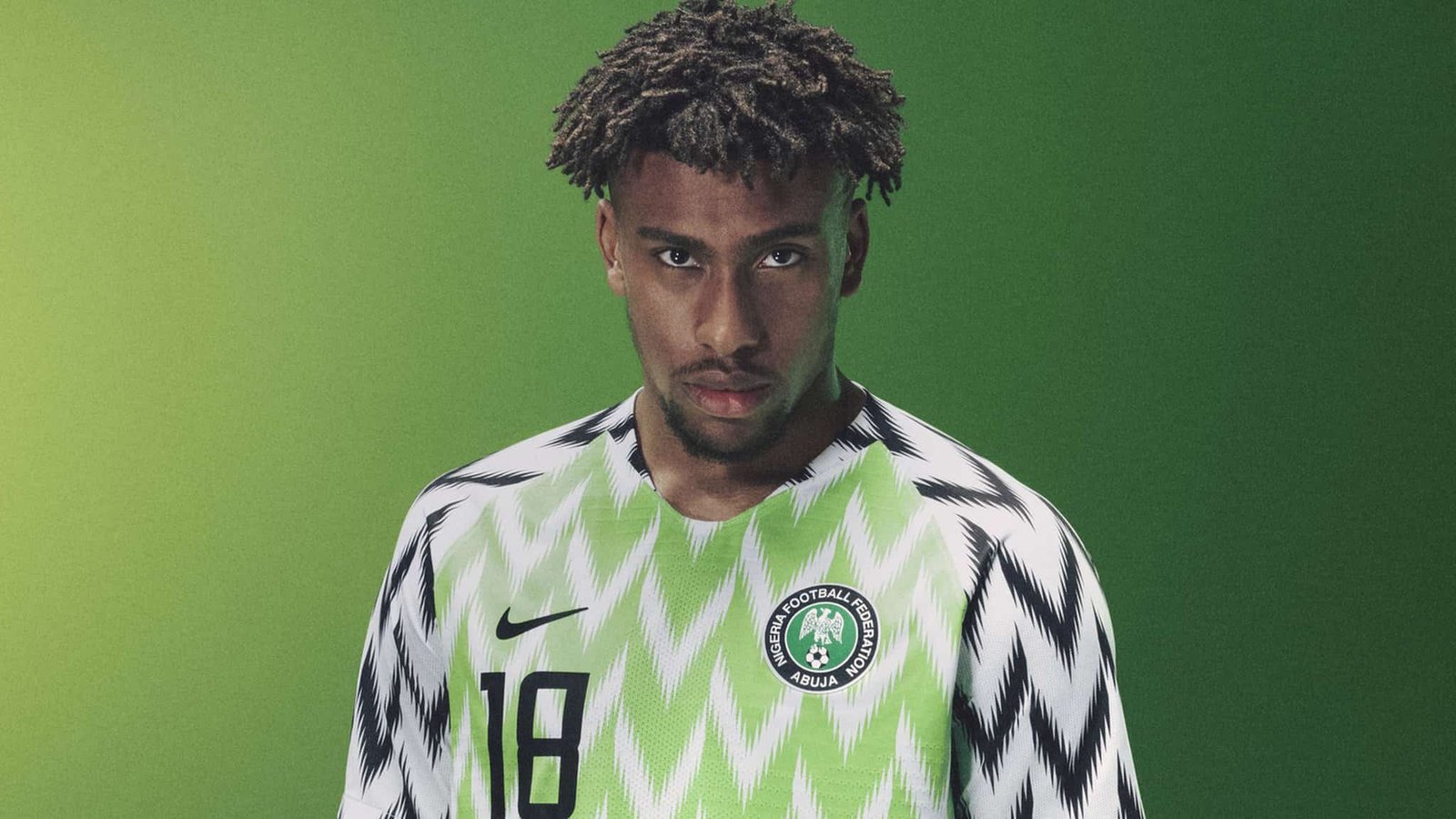
The 2018 Nigeria Super Eagles jersey became one of the most popular football kits of the 2018 FIFA World Cup. It was designed by Nike and stood out because of its bright green colour and bold zigzag pattern inspired by traditional Nigerian football designs. The shirt looked different from most other national team kits, which helped it get attention quickly.
When it was released, demand was very high. Millions of pre-orders were reported before the tournament even started, and many stores sold out soon after. People from different countries wanted the jersey, not just football fans but also fashion lovers.
The kit became popular on social media during the World Cup. Players wearing it made it even more visible on TV. It also fitted into a growing trend where football shirts are worn as everyday fashion, not just for matches. This mix of sport, design, and culture made it go viral worldwide.
Why did the 2018 Nigeria jersey become so popular?
The 2018 Nigeria jersey became popular because it looked fresh, bold, and very different from other World Cup kits. It mixed modern style with Nigerian culture. Fans loved the design, and it sold out quickly. Social media hype and celebrity support also made it go viral worldwide.
What made the Super Eagles 2018 World Cup kit stand out?
The kit stood out because of its bright green colour and sharp black-and-white sleeve pattern. It was inspired by traditional Nigerian art and the 1994 jersey. The design felt modern but still cultural. Nike also used lightweight material, making it both stylish and good for performance.
How did the Nigeria 2018 jersey gain global attention?
The jersey got global attention after it went viral online before the World Cup. People shared it on social media and fashion sites. It sold out almost immediately after release. Celebrities and influencers wore it, helping it move beyond football into streetwear and global fashion trends.
Why was the 2018 Nike Nigeria shirt widely discussed?
It was widely discussed because it was not just a football shirt, but a fashion item too. Many people talked about its unique design and limited stock. Some saw it as marketing genius by Nike. Others were surprised a national team jersey could become so trendy.
What influenced demand for the Nigeria World Cup kit?
Demand was driven by strong design, cultural pride, and limited availability. Fans rushed to buy it because it felt special and rare. The World Cup spotlight increased interest, while social media and celebrity use pushed demand even higher. It quickly became a must-have item worldwide.
The 2018 Nigeria Jersey
The 2018 Nigeria jersey, made by Nike for the World Cup in Russia, is one of the most famous football shirts ever released. It stands out because of its bold and unique design, which mixed modern style with Nigeria’s football history.
The home kit is bright green with white and black zigzag patterns across the chest and sleeves. The design was inspired by the 1994 Nigeria World Cup shirt. It also uses a feather-like pattern that links to the “Super Eagles” nickname. The look is sharp and energetic, made to reflect fast and attacking football.
The away kit is much simpler. It uses a darker green colour with very little pattern. This gives it a clean and calm appearance compared to the home version.
Nike produced both kits using lightweight Vaporknit material for better comfort and breathability. The jersey also connects strongly to Nigeria’s football identity by celebrating past success while creating a modern national style.
Design Features of the Super Eagles 2018 Kit
Nike’s 2018 Nigeria Super Eagles kit combined national symbolism with performance-led sportswear engineering. It became one of the most recognisable international football shirts due to its bold patterning and strong cultural references.
Green zigzag pattern and visual identity
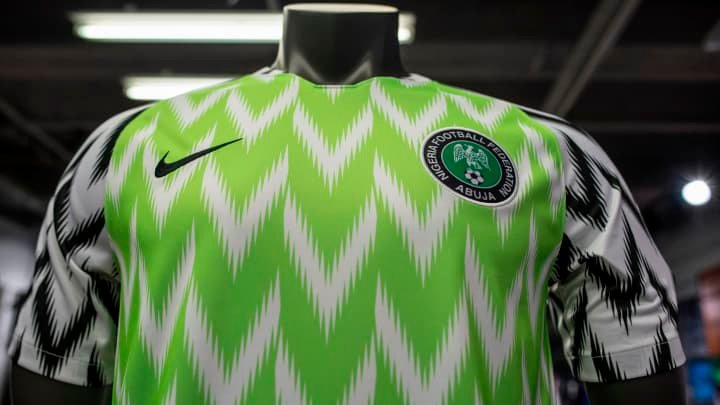
The home shirt features a bright green base with a white and black zigzag pattern across the chest and sleeves.
The angular design represents motion and aggression, reinforcing the “Super Eagles” identity. The sharp geometry echoes stylised feather shapes linked to the eagle symbol.
The pattern also reflects modern interpretations of Nigerian textile traditions, where geometric motifs are common in regional design language.
The overall effect creates a high-contrast visual identity designed for strong on-pitch visibility.
Modern reinterpretation of earlier Nigeria kits
The 2018 kit references the 1994 Nigeria World Cup shirt without replicating it.
Key design differences:
- The 1994 kit used a simpler, minimal layout
- The 2018 version introduces layered geometry and texture
- Traditional green-and-white colours are retained but modernised through pattern and contrast
The design aligns with Nike’s “Naija” concept, focusing on contemporary Nigerian identity and global cultural relevance.
Colour symbolism and national references
Green represents Nigeria’s national identity, agriculture, and vitality.
White represents peace and unity.
Black accents provide contrast and define the zigzag structure.
The palette increases visual clarity on broadcast and enhances contrast under stadium lighting. The bright green also strengthens brand recognition on and off the pitch.
Material and performance design elements
The kit uses Nike Vaporknit technology, developed for lightweight performance and ventilation.
Key features include:
- Engineered mesh zones placed in high-heat areas
- Stretch fabric for unrestricted movement
- Heat-transfer crest to reduce weight
- Raglan sleeves for improved arm mobility
The construction supports breathability and comfort in warm playing conditions while maintaining a tight athletic fit.
Why the 2018 Nigeria Jersey Went Viral
The 2018 Nigeria jersey became very popular because of its bold design, strong online reactions, World Cup exposure, and limited availability. It quickly moved from a football kit to a fashion item people wanted to wear outside football.
Social media reactions during launch
Nike released the jersey in February 2018, and it spread fast online.
People on Twitter and Instagram reacted strongly to the green zig-zag design. Many called it one of the best World Cup jerseys.
It was not just football fans talking about it. Fashion pages, influencers, and celebrities also shared it, which helped it spread even more.
Influence of World Cup visibility
Nigeria wore the jersey at the 2018 FIFA World Cup, which gave it global attention.
Millions of people saw it during live matches and highlights. The design stood out compared to other teams.
Even after Nigeria left the tournament, videos and images of the kit kept circulating online, so interest stayed high.
Cross-over into fashion and streetwear interest
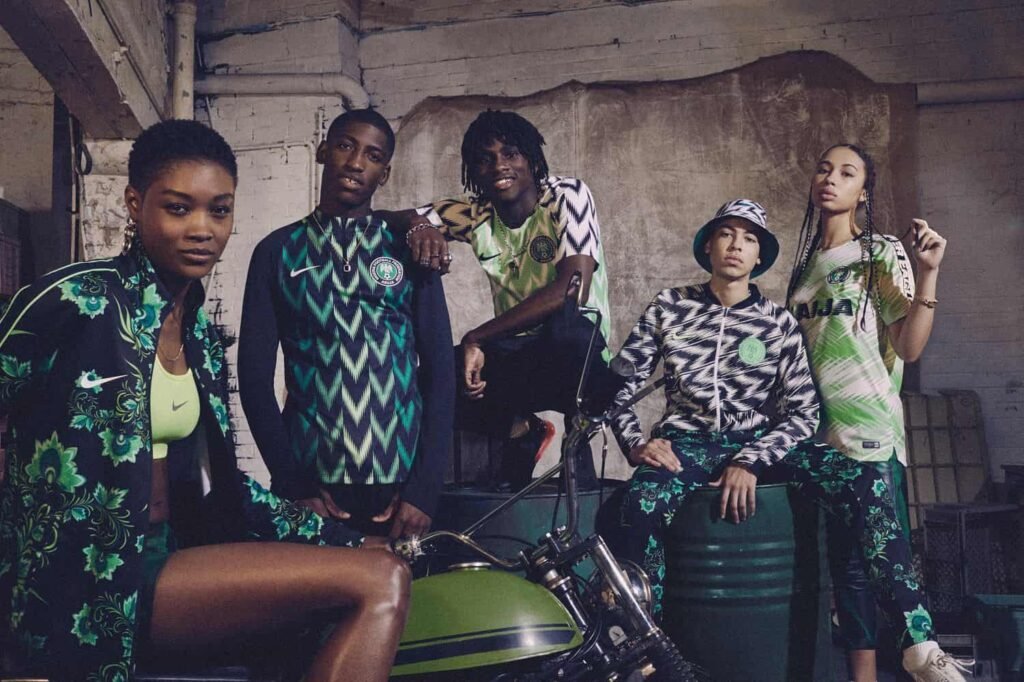
The design was inspired by traditional Nigerian patterns, which made it look unique and cultural.
People started wearing it as streetwear, not just for football. It was seen as stylish and different from normal jerseys.
It became popular in fashion and sneaker communities, where limited sports items are often treated like collectible clothing.
Role of scarcity and online demand
The jersey sold out very quickly after release.
Demand was much higher than supply, so many people could not buy it at retail price.
This led to resale markets where prices went up. It also made the jersey feel more exclusive.
Because it was hard to get, more people wanted it, which helped it stay popular online and offline.
Nike’s Design Approach
Nike’s football kit design for 2026 focuses on three main things: culture, performance, and how it looks on TV. The goal is to make kits that feel connected to a country’s identity, work well for top-level football, and stay clear and easy to see during matches.
Inspiration from historical Nigeria kits
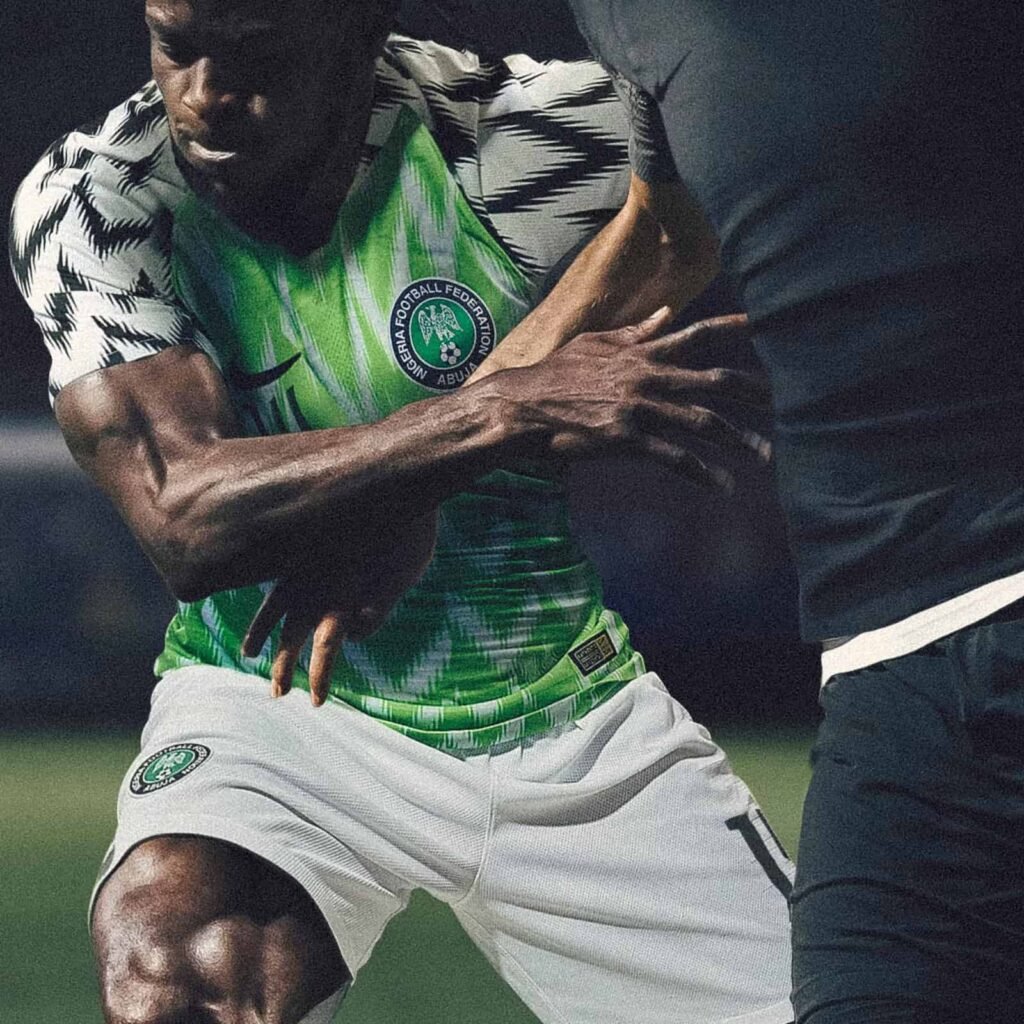
Nike takes ideas from Nigerian culture and past football kits instead of copying old designs. This includes traditional clothing like the agbada, which helps shape how patterns flow across the shirt.
It also uses ideas from Nigerian art and design styles. These often show up as bold colours, strong patterns, and creative visuals linked to music, fashion, and street culture.
Retro influence from earlier decades
Nike only uses old football styles, not as direct copies. This includes cleaner shapes, strong basic colours, and simpler layouts.
For Nigeria, kits from the late 1990s and late 2010s are still very important. They are known for bold and eye-catching designs. The modern approach takes these ideas and makes them cleaner and more updated.
Design strategy for World Cup visibility
World Cup kits are made to be easy to see during fast games and TV broadcasts. This means using clear colour contrast and simple designs that stand out on screen.
The kits are also tested to look good under different lights and camera angles. The aim is for fans and viewers to quickly recognise each team during fast moments in the game.
Balance between performance and aesthetics
Nike designs kits that work well for players and still look good. The materials are light, flexible, and help with airflow so players stay comfortable during matches.
The design patterns are built into the fabric, not added on top. This helps the shirt stay breathable and strong while still showing a clear national identity.
Demand and Market Response (2026)
Initial sales surge
At launch, most demand is for premium and high-end products.
New flagship devices and AI-powered products sell fast in the first week, mainly from pre-orders and early buyers. After the first stock sells out, demand slows down, especially for regular consumer electronics, where price is a key factor.
Business AI hardware has steadier demand because many orders are placed in advance, and production is limited.
Retail availability issues
Stores often face low stock because of supply limits.
Shortages of chips and memory parts reduce the number of consumer devices that can be made. More production is directed to AI and business systems, leaving fewer phones, laptops, and GPUs for retail shops.
Retailers keep less stock and restock more often. This causes frequent out-of-stock periods during launches and busy sales times. Availability also differs by region and store.
Online search spikes
Search interest goes up around product launches and announcements.
People search more when new products are released, reviewed, or when prices or stock levels change. These spikes are usually short but very intense.
Search activity also increases when items are hard to find, especially in electronics. This shows that scarcity has a direct effect on online interest.
Secondary market activity
Resale markets become active when retail stock is low.
When products are hard to find in stores, prices on resale platforms often go above retail, especially right after launch. Once more stock becomes available, resale prices usually drop.
Most activity happens during launch periods. The resale market mainly helps people get products when stores are out of stock, rather than long-term trading.
Influence on Football Kit Design Trends
Shift towards bold patterns in football kits
Football kits in 2026 focus on bold patterns, high contrast colours, and strong visual identity. Common design elements include diagonal sashes, wave graphics, asymmetry, and layered textures.
Designs prioritise movement and broadcast visibility. Minimal templates are replaced with dynamic graphics that improve on-screen recognition and strengthen team identity.
Impact on later national team jerseys
The 2026 design direction influences future national team kits through more consistent visual identity systems. Many federations are adopting stable design languages across multiple kit cycles.
Heritage elements such as national symbols, flag references, and cultural motifs are integrated into modern layouts as core design features.
This approach is shaping post-2026 kit development towards continuity and long-term branding rather than frequent redesigns.
Fashion industry adoption of football aesthetics
Football kits in 2026 are widely integrated into mainstream fashion and streetwear. Jerseys are used beyond sport contexts as everyday clothing.
Design features such as oversized fits, retro detailing, and graphic elements inspired by kit branding are used in fashion collections.
The overlap between sportswear and fashion continues to grow, with football aesthetics influencing casual wear and seasonal design trends.
Increased attention to African kit designs
African national team kits in 2026 gain stronger global visibility through cultural design integration. Patterns draw from traditional textiles, symbolism, and regional art styles.
These designs combine cultural references with performance materials, increasing their relevance in global kit design trends.
African kit aesthetics influence wider use of colour, pattern density, and cultural storytelling in football apparel.
Comparison With Other World Cup Kits
Other 2018 World Cup kits
Most teams in the 2018 World Cup wore simple and clean kits. Countries like France, Germany, and England used plain designs with basic colours and small details. These kits focused more on tradition and history than bold design.
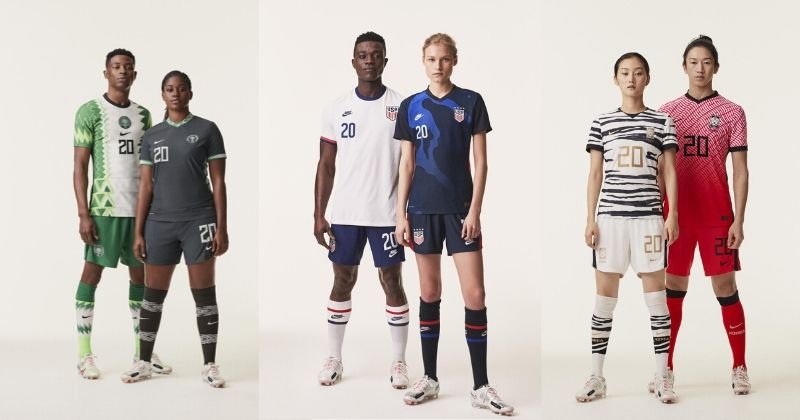
Nigeria’s kit was very different. It had bright green colours and strong black-and-white patterns on the sleeves. The design was inspired by Nigerian culture and made to look modern and eye-catching. It became very popular and had very high demand before the tournament started.
Traditional European designs vs Nigeria’s kit
European teams mostly used safe and simple designs. Their kits were usually one main colour with small details. The goal was to keep a classic and serious football look.
Nigeria’s kit went in the opposite direction. It was loud, colourful, and full of patterns. It looked more like street fashion than a traditional football shirt. This made it stand out a lot compared to most European kits.
Public preference trends during the tournament
Many fans still liked simple kits because they looked clean and familiar. These were mostly supporters of traditional football countries.
But Nigeria’s kit became very popular outside just football fans. People wore it as casual fashion, not only for matches. It sold out quickly and was widely shared on social media. This showed that football kits were becoming part of everyday style, not just sports clothing.
Why Nigeria’s kit stood out visually
Nigeria’s kit stood out because it was bright, bold, and easy to notice. The green colour and strong patterns made it very visible during matches.
The design also felt fresh and modern compared to other teams. It did not follow the usual simple kit style.
Because it was hard to get and very popular, it became even more famous during the tournament.
Legacy of the 2018 Nigeria Jersey
The 2018 Nigeria jersey is still one of the most talked-about football kits. It stood out because it used bold green patterns inspired by Nigerian culture, especially traditional textile designs. At the time, many national kits were simple, but this one looked different and fresh. It became a strong example of how football shirts can show identity, not just team colours.
The shirt is still popular in fashion and culture. Many people wear it outside football, and it is often seen in streetwear. It helped show how a football jersey can become part of everyday style, especially for young people and the Nigerian diaspora.
It also changed how Nigeria kits are designed today. Newer shirts still try to include cultural patterns and creative designs. Fans now expect something unique each time a new kit is released.
In football history, it is remembered as a kit that changed design trends and made national jerseys more expressive and creative.