This Article Was Last Updated: August 31, 2026 by Oseg Hale
Nigeria has had several Super Eagles captains since the national team played its first recognised international match in 1949. The captaincy has passed through generations of Nigerian footballers, including Christian Chukwu, Segun Odegbami, Stephen Keshi, Peter Rufai, Sunday Oliseh, Austin Okocha, Nwankwo Kanu, Joseph Yobo, John Obi Mikel, Ahmed Musa, William Troost-Ekong and Wilfred Ndidi.
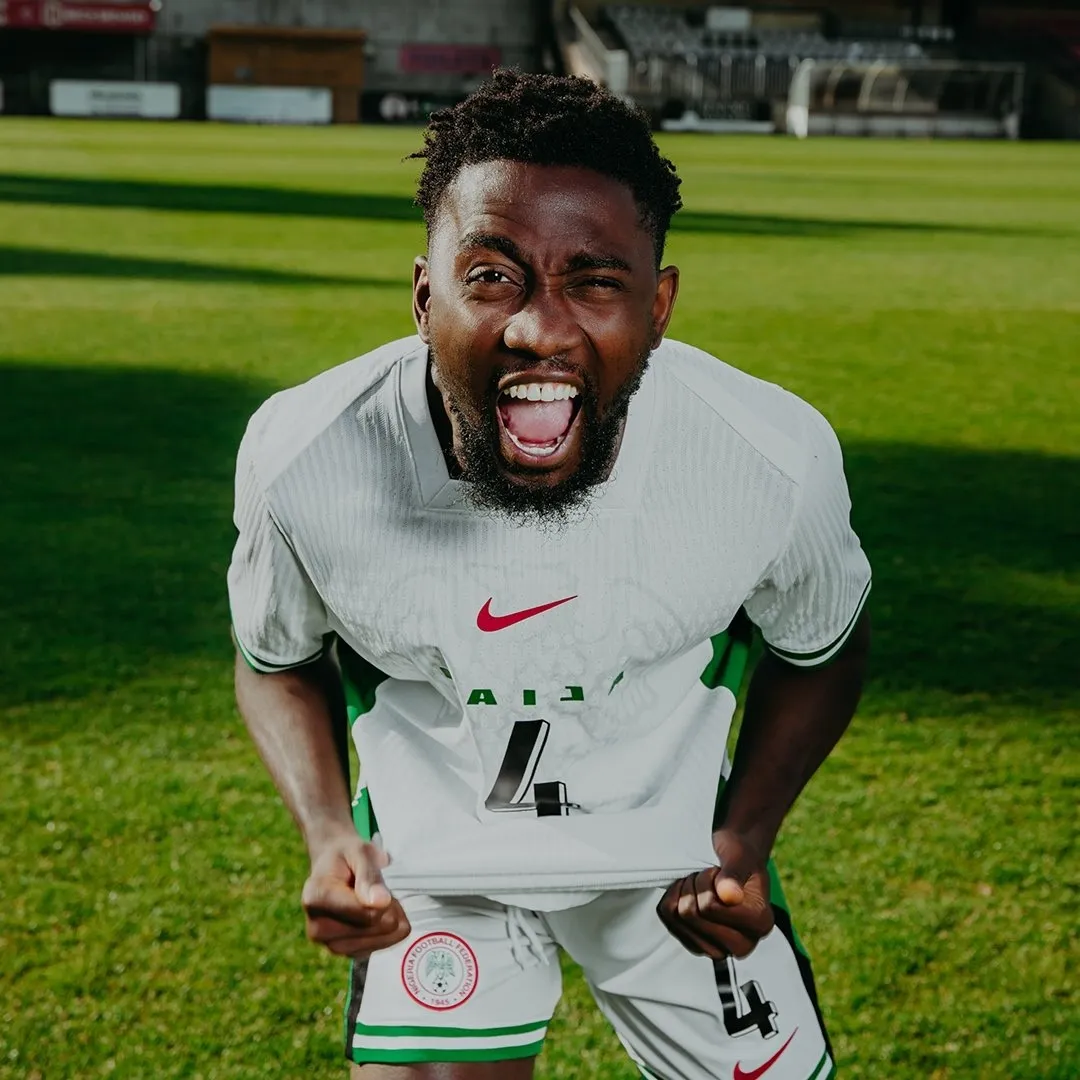
Wilfred Ndidi is the current Super Eagles captain in 2026. The Nigeria Football Federation identified Ndidi as team captain during the March and June 2026 international windows.
Current Super Eagles Captain
Wilfred Ndidi is the current captain of the Nigeria senior men’s national team.
Ndidi took over the captaincy after William Troost-Ekong’s international retirement. CAF described Ndidi as Nigeria’s newly appointed captain during the 2025 Africa Cup of Nations in Morocco.
The midfielder continued as captain during Nigeria’s 2026 international fixtures. The NFF named him team captain for the March 2026 friendlies against Iran and Jordan and for the June 2026 matches against Poland and Portugal.
Full List of Super Eagles Captains
The following list covers the main players associated with the Nigeria captaincy across different eras. Individual matches also had stand-in captains when the regular skipper was unavailable.
| No. | Super Eagles Captain | Period |
| 1 | Christian Chukwu | 1970s–1980 |
| 2 | Segun Odegbami | 1980–1984 |
| 3 | Mudashiru Lawal | 1984 |
| 4 | Henry Nwosu | 1984 |
| 5 | Stephen Keshi | 1984–1995 |
| 6 | Peter Rufai | 1995–1999 |
| 7 | Sunday Oliseh | 1999–2002 |
| 8 | Austin Okocha | 2002–2006 |
| 9 | Nwankwo Kanu | 2006–2010 |
| 10 | Joseph Yobo | 2010–2014 |
| 11 | Vincent Enyeama | 2014–2015 |
| 12 | John Obi Mikel | 2015–2019 |
| 13 | Ahmed Musa | 2019–2022 |
| 14 | William Troost-Ekong | 2022–2025 |
| 15 | Wilfred Ndidi | 2025–present |
Historical records also identify Uche Okechukwu, Augustine Eguavoen, Wilson Oruma, Osaze Odemwingie, Yakubu Aiyegbeni, Austin Ejide, Chigozie Agbim, Finidi George, Mutiu Adepoju, Obafemi Martins and other players who wore the Nigeria captain’s armband in particular matches.
Christian Chukwu
Christian Chukwu was one of the defining captains of Nigeria’s early major-tournament era.
He captained Nigeria during the late 1970s and led the Green Eagles in the 1980 Africa Cup of Nations. Nigeria defeated Algeria 3-0 in the final in Lagos to win its first AFCON title.
Chukwu also captained Nigeria during the famous 4-0 victory over Egypt in a 1978 World Cup qualifier in Lagos. He scored Nigeria’s third goal in that match.
Segun Odegbami
Segun Odegbami succeeded Chukwu as one of Nigeria’s leading senior figures during the early 1980s.
Odegbami was a key member of the 1980 AFCON-winning side. He scored twice in the final against Algeria before Mudashiru Lawal added Nigeria’s third goal.
His period came during one of the strongest eras of Nigerian football, with the Green Eagles reaching the AFCON final again in 1984.
Mudashiru Lawal
Mudashiru Lawal served as captain during the transition from the 1980 generation to the next group of Nigerian internationals.
Lawal was part of the side that won Nigeria’s first AFCON title in 1980. He scored Nigeria’s third goal in the 3-0 final victory over Algeria.
Henry Nwosu
Henry Nwosu also wore the captain’s armband during the 1980s.
Nwosu joined the senior national team as a teenager and played alongside established stars such as Odegbami, Chukwu and Lawal.
Stephen Keshi
Stephen Keshi became one of the longest-serving and most recognisable Super Eagles captains.
He captained Nigeria at the 1984 Africa Cup of Nations final against Cameroon. Nigeria lost the final 3-1.
Keshi remained an important senior figure through the late 1980s and early 1990s. He later became one of the few people to win the Africa Cup of Nations with Nigeria as both a player and a coach.
Peter Rufai
Peter Rufai succeeded Keshi during the second half of the 1990s.
The goalkeeper captained Nigeria during a period that included the 1996 Olympic football gold medal and the 1994 and 1998 FIFA World Cups.
Nigeria won Olympic gold in Atlanta in 1996 after defeating Argentina 3-2 in the final.
Sunday Oliseh
Sunday Oliseh took over the captaincy towards the end of the 1990s.
He became one of Nigeria’s central midfield leaders during the period after the 1996 Olympic triumph. Oliseh was part of the Super Eagles squad at the 1998 FIFA World Cup in France.
Austin Okocha
Austin Jay-Jay Okocha became Super Eagles captain during the early 2000s.
Okocha was one of Nigeria’s most recognised midfielders and captained the national team during the period after the 1998 World Cup.
He also played in four Africa Cup of Nations tournaments and four FIFA World Cup tournaments for Nigeria.
Nwankwo Kanu
Nwankwo Kanu succeeded Okocha as one of Nigeria’s senior leaders.
Kanu captained the Super Eagles during the late 2000s and remained involved with the national team into the early 2010s.
He was part of Nigeria’s 1996 Olympic gold-medal winning squad and scored twice against Brazil in the semi-final.
Joseph Yobo
Joseph Yobo became Super Eagles captain in 2010.
He took over during the transition from the Kanu generation and went on to become one of Nigeria’s most experienced defenders.
Yobo later described his time as Super Eagles captain in an interview with The Sun Nigeria, while identifying John Obi Mikel as the captain at the time of the interview.
Vincent Enyeama
Vincent Enyeama became Nigeria’s captain during the 2014 period.
The goalkeeper led the team during the 2014 FIFA World Cup in Brazil. Nigeria reached the round of 16 before losing to France.
Enyeama was also Nigeria’s goalkeeper during the country’s 2013 Africa Cup of Nations triumph.
John Obi Mikel
John Obi Mikel became one of Nigeria’s most prominent captains during the second half of the 2010s.
He captained the Super Eagles during the 2018 FIFA World Cup in Russia. The Nigeria Football Federation and Nigerian media regularly identified him as the team’s captain during that period.
Mikel also captained Nigeria at the 2019 Africa Cup of Nations, where the Super Eagles won the bronze medal.
Ahmed Musa
Ahmed Musa became one of Nigeria’s senior captains during the late 2010s and early 2020s.
He captained the Super Eagles at the 2021 Africa Cup of Nations in Cameroon, where Nigeria exited in the round of 16.
Musa also became Nigeria’s first player to score at two different FIFA World Cups when he scored against Argentina at the 2014 and 2018 tournaments.
William Troost-Ekong
William Troost-Ekong became one of Nigeria’s main captains during the 2020s.
He captained Nigeria during the 2023 Africa Cup of Nations, which was played in Côte d’Ivoire in early 2024. Nigeria reached the final before losing 2-1 to the hosts.
Troost-Ekong won the tournament’s Player of the Tournament award despite Nigeria finishing as runners-up.
He later retired from international football. CAF subsequently described him as the retired captain and identified Wilfred Ndidi as Nigeria’s new captain at the 2025 AFCON.
Wilfred Ndidi
Wilfred Ndidi became the Super Eagles captain during the 2025 Africa Cup of Nations cycle.
CAF identified him as Nigeria’s newly appointed captain before the tournament in Morocco.
Ndidi captained Nigeria during the tournament and remained the team’s captain in 2026.
The NFF named Ndidi as captain for the March 2026 international friendlies and again for the June 2026 fixtures against Poland and Portugal.
Who Was the First Super Eagles Captain?
Christian Chukwu is generally listed among the earliest recognised long-term captains of the Nigeria senior team in the modern era.
Nigeria’s first senior international match took place in October 1949 against Sierra Leone. The national team’s early history predates the modern Super Eagles identity, and surviving captaincy records from the first decades are less comprehensive than those from the later era.
For that reason, a chronological list beginning in 1949 should distinguish between documented match captains and established long-term team captains.