This Article Was Last Updated: August 31, 2026 by Oseg Hale
The Super Eagles jersey is the official kit of Nigeria’s national football team and a strong symbol of national pride. It represents Nigeria on the world stage and reflects the country’s culture, energy, and football identity. The history of Nigeria jersey shows how it has changed over time and has become more than sportswear, turning into a global fashion item worn beyond football.
History Of Nigeria Jersey
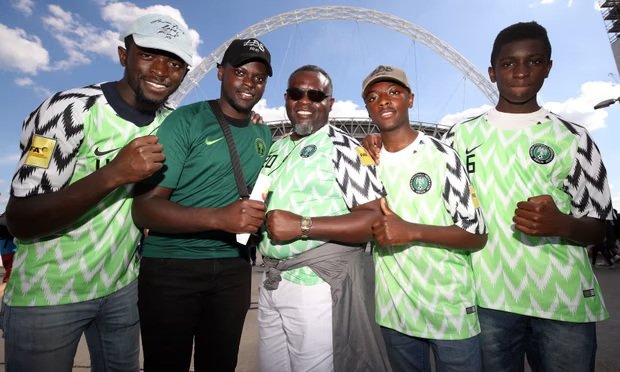
Nigeria’s kits gained international attention because of bold designs and strong performances at major tournaments. The jerseys are now seen in streetwear and pop culture, especially after the 2018 Nike release, which went viral and sold out worldwide.
Design changes over the years show Nigeria’s football growth. Manufacturers like Adidas and Nike shaped each era with different styles and technology, from simple early designs to modern, fashion-driven kits.
The history includes Adidas in the 1990s, early 2000s transitions, Nike’s major partnership era, the 2018 global “Naija” jersey moment, and the 2024–2026 modern minimalist designs.
Why the Super Eagles Jersey Matters in Football Culture
The Super Eagles jersey represents Nigeria’s identity through its green and white colours, taken from the national flag. It creates unity among fans and is widely worn as a symbol of national pride, especially during international matches and by Nigerians abroad.
Nigeria’s football reputation is strong because of consistent talent production and players competing in top European leagues. The national team is respected for skill and attacking football, keeping Nigeria visible in global competitions. The jersey reinforces this identity as an instantly recognisable symbol of the team worldwide.
The jersey has moved into everyday fashion. Fans wear it beyond football settings, especially in cities and on social media. Its bold design fits modern streetwear, making it part of youth culture and personal expression rather than just sportswear.
Nigeria’s kits are also recognised in global fashion. Their unique designs stand out from other national jerseys, attracting attention from fashion communities, influencers, and collectors. This has made Super Eagles kits part of global streetwear and contemporary fashion trends.
Early Era – The Foundations (1994–2003 Adidas Period)
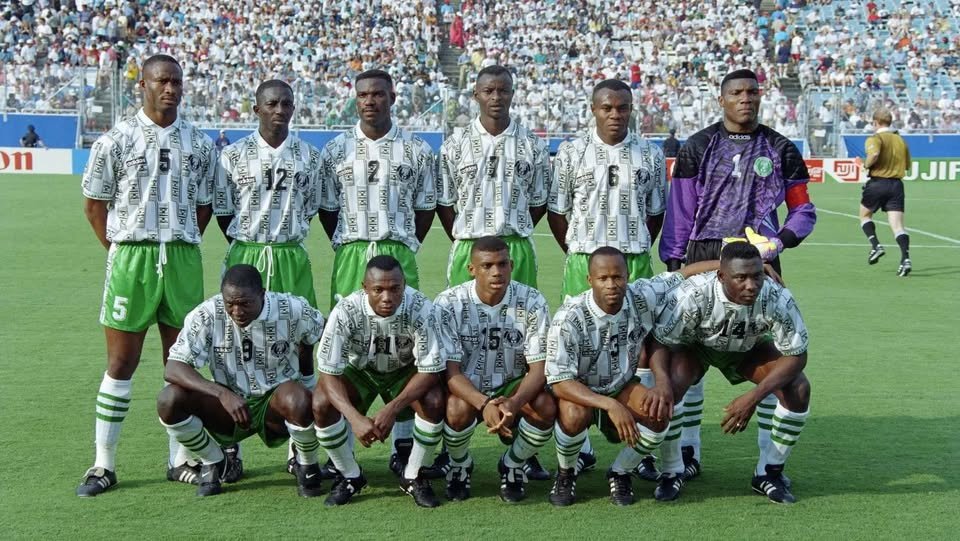
The early years from 1994 to 2003 shaped the base of the Nigeria football shirt timeline. This was the time when Nigeria’s football identity started to look stable and easy to recognise on the world stage. The main colours, green and white, became fixed and stayed consistent across different tournaments and kit makers.
1994 World Cup breakthrough kit
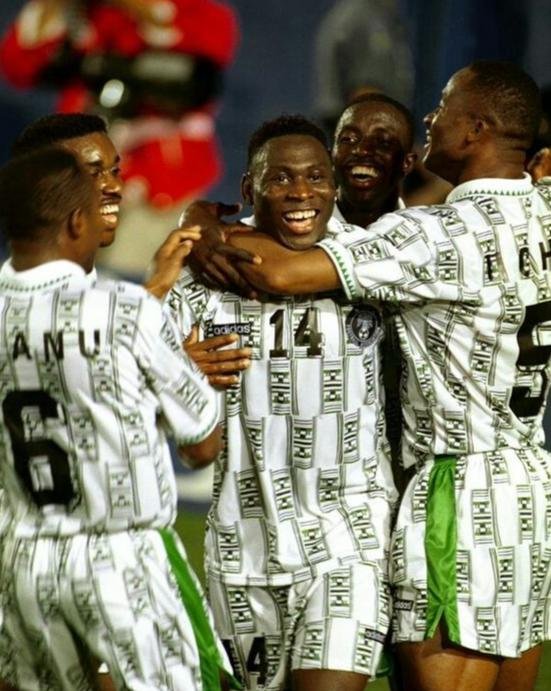
The 1994 Adidas kit was simple but powerful. It had a bright green shirt with white details. The design was clean, with small patterns that did not distract from the main colour. Nigeria’s strong performance at the tournament made the shirt even more famous. It became linked with the team’s rise in world football.
Adidas design style in the 90s
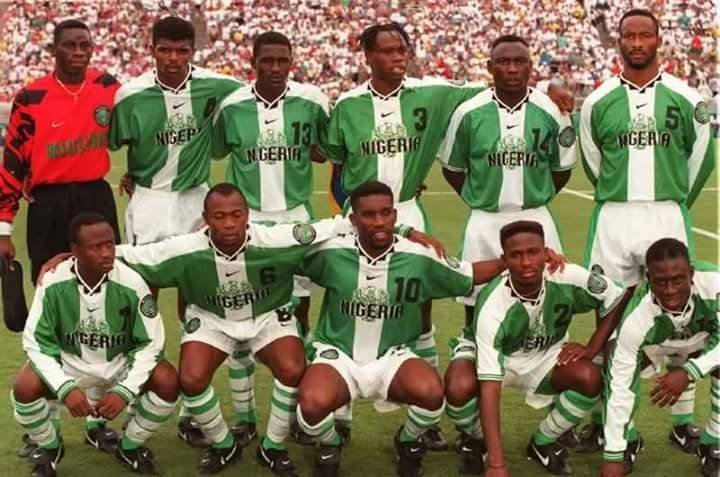
Adidas kits in the 1990s were based on templates. This means many teams shared similar designs with small changes. The focus was on strong colours, comfort, and clear visibility on TV. For Nigeria, this meant a simple green shirt that still stood out.
Green-white identity growth
Green became the main colour, while white was used for contrast. Over time, the shade of green changed slightly, but the identity stayed the same. This made the team easy to recognise anywhere.
Key tournaments and kits
From 1994 to 2003, Nigeria wore kits from Adidas and Nike. Each tournament showed small changes, but the same strong identity remained throughout.
Transitional Years (2004–2010)
This period was a turning point in football kit design. Brands were moving away from old styles but had not yet reached the modern designs seen today. The result was a mix of ideas, some strong and some confusing.
Mixed manufacturers and inconsistent designs
During these years, different brands like Nike, Adidas, and Puma supplied kits to many clubs and national teams. However, there was no clear design direction. Many teams used the same base templates, only changing colours and small details. This made some kits look very similar, even across different clubs. Because of this, team identity sometimes felt weaker than before.
Experimentation with styles and patterns
Designers tried many new ideas. Kits started to include curved lines, sharp shapes, and bold side panels. Some shirts had subtle patterns inside the fabric, while others used bright contrast colours. The aim was to make kits look modern and fast, matching the style of football at the time. Not all designs worked well, but it was a period of trial and error.
Decline in global jersey popularity
Even though kits still sold well, many fans started to feel less connected to them. Repeated templates made jerseys feel less unique. Some supporters preferred older shirts that looked more original and simpler. This led to a slight drop in excitement around new releases.
Pre-Nike era identity search
Clubs and brands were still trying to find the right balance between tradition and modern style. There was a clear struggle between keeping a unique club identity and using mass-produced designs. This search for balance shaped how football kits would evolve in the next decade.
Nike Partnership Begins (2011–2017)
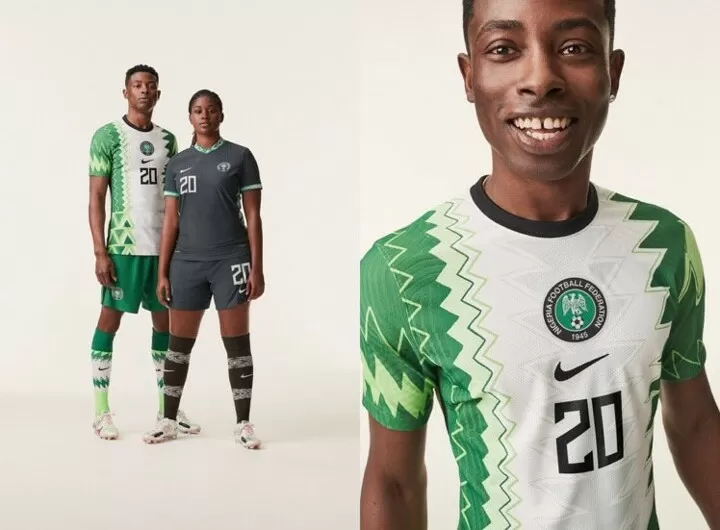
Nike started working with Nigeria in a way that changed the Super Eagles’ kit evolution. The focus moved to better quality, better fit, and designs that matched top football teams in the world. The kits became more modern and easier for players to wear during tough matches.
Introduction of modern performance fabrics
Nike brought in lighter materials called Dri-FIT. These fabrics helped players stay dry by pulling sweat away from the skin. This made the kits more comfortable, especially in hot weather.
Small mesh parts were also added to let air flow through the shirt. This helped players feel cooler during games. The kits were no longer heavy or stiff like older versions. They became light and easy to move in.
Slim-fit designs and global standardisation
Nike also changed how the kits fit. They became tighter around the body instead of loose. This helped players move better and also gave a cleaner look on the pitch.
Nigeria’s kits also started following the same style as other Nike national teams. This made them look more modern and consistent with global football trends.
AFCON and World Cup qualification kits
During AFCON and World Cup qualifiers, the kits stayed simple. The home kit was green, and the away kit was white with green details.
These designs were used for many matches without big changes. This helped the team keep a steady identity during important competitions.
Growing international attention
People outside Nigeria started noticing the kits more during this time. Fans liked the simple, clean design and modern style.
Photos of the kits also spread on social media. This helped the Super Eagles kit evolution gain more attention worldwide, not just in Africa.
The 2018 Viral Jersey – Global Phenomenon
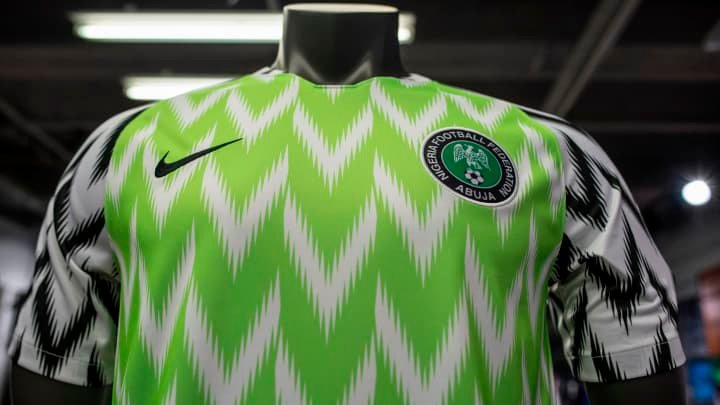
The Nigeria 2018 World Cup jersey became one of the most talked-about football shirts in history. It was more than sportswear. It turned into a global fashion item and a cultural symbol that went far beyond football.
Design inspiration and cultural symbolism
The design was inspired by traditional Nigerian Adire fabric. This is a Yoruba textile style known for bold patterns and strong visual identity. The zigzag green and white design reflected energy, movement, and pride. It also linked to Nigeria’s football history, especially the famous 1994 kit. Nike wanted the shirt to feel modern but still deeply connected to Nigerian culture.
Pre-order record-breaking demand
When the jersey was released, demand was massive. Millions of fans tried to buy it online before it even officially launched in stores. It quickly sold out in many places. The high demand made it one of Nike’s fastest-selling football shirts. Scarcity helped increase its value and popularity even more.
Streetwear crossover success
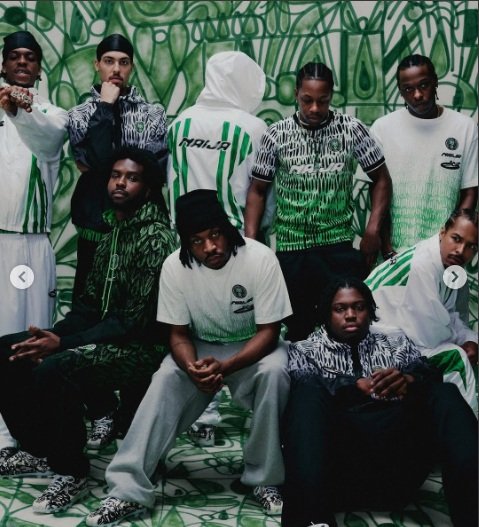
The jersey was not just worn for football. It became a streetwear fashion piece. People wore it with sneakers, jeans, and casual outfits. It appeared in fashion shoots and social media posts around the world. Even people who were not football fans wanted it because it looked stylish and different.
FIFA World Cup 2018 impact
During the 2018 World Cup in Russia, the jersey gained global attention. Nigeria’s matches helped showcase it on the biggest stage. Photos of fans wearing it went viral. It became one of the most recognisable kits of the tournament.
Why it became the most iconic Nigeria jersey
The jersey stands out because it mixed culture, fashion, and football in a simple but powerful way. Nike’s collaboration showed how sportswear can tell a story. It set a new standard for future football kit designs.
Modern Era Kits (2019–2023)
Football kits between 2019 and 2023 became more advanced, more stylish, and more focused on performance. This period saw big brands mix fashion, culture, and sports science in a way that changed how shirts were designed and worn.
Post-2018 design expectations
After 2018, fans started expecting more than just basic colours and logos. They wanted kits that told a story. National teams, especially in Africa, began using patterns inspired by culture, history, and local symbols.
At the same time, simple designs became popular again. Many kits had clean looks with small details instead of loud graphics. This created a split in opinion. Some fans loved the simple style, while others missed bold and creative designs.
AFCON kits and performance upgrades
AFCON kits in this period were designed for hot weather and tough playing conditions. Brands like Nike, Adidas, and Puma used lighter fabrics and better airflow to help players stay cool.
New materials helped reduce sweat and made shirts feel lighter during matches. Some kits also included special cuts and ventilation zones. However, not all designs worked perfectly. In some cases, fans and players felt certain kits were still too heavy or uncomfortable in extreme heat.
Fan reception and criticism
Fans had mixed reactions. Many liked the improved comfort and modern look. Others complained that many teams shared similar templates, which made kits feel less unique. Price was also a big issue, especially for official player versions.
Technology in modern jerseys
Modern kits used advanced fabrics like moisture-wicking polyester. These materials pull sweat away from the body quickly. Brands also added breathable zones under the arms and back. Some kits even used recycled materials, showing a move towards sustainability while keeping performance strong.
2024–2026 Super Eagles Kit Era
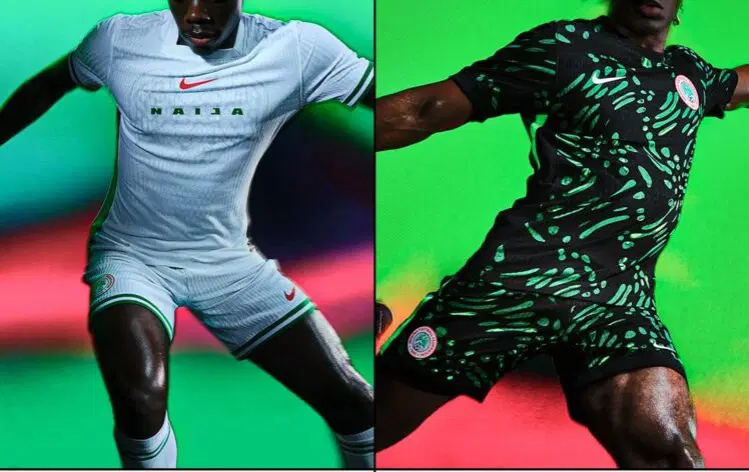
The 2024–2026 Super Eagles kit era shows how Nigeria’s national team shirts have changed into modern, stylish sportswear. Nike has focused on mixing performance, culture, and fashion in a way that appeals to both players and fans.
Latest Nike Design Direction
Nike has moved towards cleaner and simpler designs in 2024, with more focus on white and green balance instead of heavy patterns. The home kit often uses white with green details, while the away kit brings deeper green tones. By 2026, the designs become bolder and more expressive, with brighter shades and sharper patterns inspired by speed and movement.
Sustainability and Fabric Innovation
Modern Super Eagles kits are made with lighter and more breathable materials. Nike uses recycled polyester and advanced knitting methods to reduce waste and improve comfort. The fabric is designed to keep players cool during hot weather by improving airflow. This makes the kits more practical for both professional matches and everyday wear by fans.
Digital Marketing and Kit Launches
Kit launches are now mostly online. Nike uses social media, videos, and global campaigns to reveal new designs. This creates more excitement and helps reach younger fans quickly. Instead of big physical events, the focus is now on digital “drops” that spread fast across platforms.
Fan Engagement and Limited Editions
Fans now play a bigger role in kit culture. Some designs are teased early, and limited-edition releases create high demand. This makes the kits more valuable and often hard to get. Many fans see them as fashion items as well as football shirts.
Tradition and Modern Style Balance
Nike tries to keep Nigeria’s identity while adding modern design ideas. The green and white colours stay important, but patterns and textures are more creative. This balance helps the kits feel both traditional and fresh at the same time.
Full Timeline of Nigeria Football Kits (1994–2026)
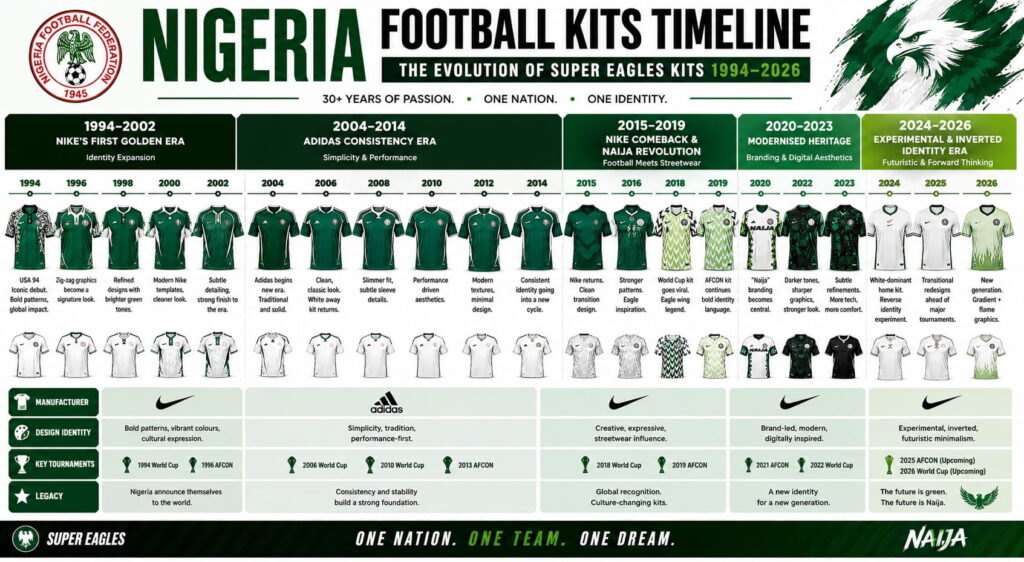
1994–1998: Adidas Era
Nigeria’s most recognisable early kits were produced by Adidas during the country’s emergence on the international stage. This period covered the 1994 Africa Cup of Nations title, the 1994 FIFA World Cup debut, the 1996 Olympic gold medal and the 1998 World Cup.
1994 Home Kit
The home shirt featured:
- Green body
- White chest panel
- Black-and-green geometric sleeves
- Black fold-over collar
The kit became closely associated with Rashidi Yekini’s celebration after scoring Nigeria’s first-ever FIFA World Cup goal against Bulgaria.
1994 Away Kit
The away shirt included:
- White base
- Green geometric shoulder pattern
- Black collar
- Green shorts
1996 Olympic Era
Adidas introduced an updated design featuring:
- Brighter green shade
- Reduced geometric detailing
- Adidas Equipment branding
The design is associated with Nigeria’s men’s football team winning Olympic gold in Atlanta.
1998 World Cup Kit
For France 98, Adidas introduced:
- Dark green body
- White shoulder panels
- Angular sleeve graphics
- Slimmer fit
The shirt was worn by players including Jay-Jay Okocha, Nwankwo Kanu and Sunday Oliseh.
1999–2003: Transitional Kits
Nike replaced Adidas during this period and introduced a simpler design style with fewer graphics and lighter performance fabrics.
Common features included:
- Minimal graphics
- Curved shoulder panels
- Large Nike Swoosh
- Dri-FIT fabric
AFCON 2000
Nigeria reached the Africa Cup of Nations final wearing green home kits with white detailing.
2002 FIFA World Cup
The tournament kits included:
- Green home shirt
- White away shirt
- Lightweight construction
- Minimalist styling
2004–2010: Adidas Returns
Adidas became Nigeria’s official kit supplier again in 2004 and remained until 2014. During this period, the brand supplied kits for multiple Africa Cup of Nations tournaments and the 2010 FIFA World Cup.
Design features included:
- Three Stripes branding
- Slimmer fit
- Climacool performance fabric
- Traditional green-and-white colour scheme
2010 World Cup
The South Africa 2010 kit featured:
- Bright green shirt
- White shoulder stripes
- Rounded collar
It was worn during the first FIFA World Cup hosted in Africa.
2011–2017: Nike’s Return
Adidas supplied Nigeria until 2014, including the team’s 2013 Africa Cup of Nations-winning campaign. Nike regained the Nigeria Football Federation contract in 2015.
2013 AFCON
Nigeria won the Africa Cup of Nations wearing Adidas kits.
2014 FIFA World Cup
The final Adidas World Cup kit included:
- Green body
- White shoulder stripes
- Climacool fabric
Nike (2015–2017)
Nike introduced:
- Updated federation branding
- Dri-FIT technology
- Simpler modern templates
These collections laid the foundation for the 2018 redesign.
2018: FIFA World Cup Kit
The 2018 home shirt became one of the most recognisable football jerseys released by Nike.
Design features included:
- Bright green feather-inspired pattern
- Black-and-white sleeves
- Neon accents
- Retro-inspired federation crest
Nike reported more than three million pre-orders before launch, and the shirt sold out shortly after release in several markets.
The away kit featured a darker green colour scheme with a simpler design.
2019–2023: Modern Nike Evolution
Nike continued using bold graphics while introducing updated performance fabrics.
2020 Collection
The home shirt featured:
- Green zigzag pattern
- White sleeves
- Geometric graphics
The away shirt used an abstract green-and-white pattern.
2022 Collection
The new design introduced:
- Darker green shades
- Reduced graphics
- Vaporknit fabric
- Improved ventilation
Nigeria did not qualify for the 2022 FIFA World Cup, but the kits remained in use through 2023.
2024–2026: Current Generation Kits
Nike released new home and away kits in 2024.
2024 Home Kit
The home shirt featured:
- White base
- Large “NAIJA” wordmark
- Green-and-black trim
- Red Nike Swoosh
2024 Away Kit
The away shirt included:
- Black base
- Green rainforest-inspired graphics
- Green detailing
2025
Nigeria continued wearing the 2024 designs during international fixtures.
2026
Nike released a new kit collection in March 2026.
The home shirt retained a predominantly white design, while the away shirt introduced a flame-inspired graphic with green and black detailing. Although Nigeria did not qualify for the 2026 FIFA World Cup, the new kits were released as part of Nike’s regular international team cycle.
Most Iconic Super Eagles Jerseys Ever
The Super Eagles have worn some of football’s most recognisable national team jerseys. Their bold use of green, geometric patterns and Nigerian-inspired designs has influenced sportswear, fashion and football culture for decades. From Adidas classics in the 1990s to Nike’s record-breaking releases, these kits have become collectors’ items and symbols of Nigerian football.
1994 World Cup kit
The 1994 FIFA World Cup jersey marked Nigeria’s tournament debut and remains one of the country’s most iconic football shirts.
Made by Adidas, the home kit featured a green base, a white chest panel with black-and-green geometric graphics, and a black polo collar. It was worn by players including Rashidi Yekini, Jay-Jay Okocha, Emmanuel Amunike, Sunday Oliseh, Daniel Amokachi and Finidi George.
The shirt became associated with one of Nigeria’s greatest football teams. After winning the 1994 Africa Cup of Nations, the Super Eagles topped a World Cup group featuring Bulgaria, Greece and Argentina before losing to Italy in extra time in the Round of 16.
The jersey also represents Nigeria’s rise in world football. In 1994, the country reached fifth in the FIFA World Rankings—the highest position achieved by an African nation at the time. Its design continues to inspire modern collections, including elements seen in Nike’s 2026 lifestyle range.
2018 viral World Cup jersey
The 2018 World Cup jersey became one of the most successful football shirt releases ever.
Designed by Nike’s Matthew Wolff, it combined bright green zigzag patterns with inspiration from Nigeria’s 1994 and early-2000s kits.
More than three million people reportedly pre-ordered the shirt before launch. It sold out within hours, with long queues forming outside Nike stores in cities including London.
The jersey became popular beyond football, appearing in fashion campaigns, music culture and streetwear. Its success helped establish football shirts as lifestyle clothing rather than match-day apparel.
In 2026, BBC Sport ranked the 2018 Nigeria jersey among the greatest World Cup kits ever produced, confirming its lasting influence on football design.
AFCON-winning era kits
Several Super Eagles jerseys are remembered because they were worn during Africa Cup of Nations triumphs.
1980 AFCON champions
Nigeria’s first AFCON-winning kit featured a simple green design typical of football shirts from that era. Although less distinctive than later jerseys, it represents the country’s first continental title.
1994 AFCON champions
The 1994 AFCON jersey remains one of Nigeria’s greatest football shirts. It was worn during the victory over Zambia in the final before becoming Nigeria’s World Cup kit later that year.
2013 AFCON champions
Nike introduced a cleaner green design with subtle eagle-inspired graphics for the 2013 tournament. The shirt became part of Nigerian football history when Sunday Mba scored the winning goal against Burkina Faso to secure the country’s third AFCON title.
2019 AFCON kit
Nigeria wore its popular 2018 World Cup jersey during the 2019 AFCON, helping reinforce its status as one of the country’s most recognisable football shirts.
Fan-favourite retro designs
Several older Super Eagles jerseys remain highly sought after by collectors.
1996 Olympic jersey
The 1996 kit is linked to Nigeria’s Olympic gold medal in Atlanta. Worn by players such as Nwankwo Kanu, Jay-Jay Okocha and Taribo West, it represents one of the greatest achievements in African football.
1998 World Cup jersey
The France ’98 shirt continued Nigeria’s bold design style with striking green graphics and detailed sleeves. It remains one of the most collected Super Eagles jerseys.
2002 World Cup kit
The 2002 jersey introduced brighter shades of green and a more modern look. Although opinions were mixed at release, it has since become a popular retro shirt and influenced later Nike designs, including the 2018 kit.
Why retro Super Eagles jerseys remain popular
Vintage Super Eagles jerseys appeal to collectors because they represent defining moments in Nigerian football, including World Cup appearances, Olympic success and AFCON victories. Their distinctive designs continue to influence modern football apparel, with recent collections drawing inspiration from Nigeria’s classic shirts of the 1990s.
Why Nigeria Jerseys Became Global Fashion Icons
Nigeria’s football shirts have moved from sport into global fashion. In 2026, the Super Eagles jersey is part of streetwear culture and worn in cities like Lagos, London, Paris, and New York as everyday fashion.
Bold patterns, strong colours, and cultural graphics make the design stand out. This fits streetwear style, where clothing is used for expression. The jersey is often styled with baggy jeans, cargo trousers, jackets, and sneakers. Vintage Nigeria shirts from the 1990s are also popular again, especially in resale markets where older football kits are seen as collectible fashion items.
Celebrities and influencers have helped increase its visibility. Musicians, actors, and football stars wear it in styled outfits, while Nigerian public figures appear in brand campaigns that mix football history with modern fashion. Influencers also share outfit ideas online, which spreads its use in everyday streetwear.
Limited edition releases add to demand. Nike produces Nigeria kits in small batches, often with artists or designers. Scarcity increases interest and resale value, while collaborations connect football shirts with art and design culture.
Social media drives most of this growth. Platforms like Instagram, TikTok, and X spread new releases quickly through styling videos and reactions. Popular designs gain attention fast, while criticism also spreads widely, keeping the jersey visible in global fashion conversations.
Common Design Controversies and Fan Reactions
Football kit designs often receive mixed reactions. Fans usually discuss colours, patterns, logos, quality and price as soon as new shirts are released. During the 2026 FIFA World Cup, several kits divided opinion because of bold designs and modern styling.
Many supporters felt some shirts no longer reflected their team’s identity. Others welcomed fresh ideas that made the kits look different from previous versions. Social media also played a big role, with fans sharing reviews and comparisons within hours of each launch.
Over-commercialisation debates
Many supporters think football kits have become too commercial. Clubs and national teams now release several shirts every season, making it expensive for fans to keep up. Official match shirts also continue to increase in price.
During the 2026 World Cup, some kit launches focused more on fashion and marketing than football. This led to criticism that manufacturers were putting sales ahead of tradition. Fans want new designs, but many also expect shirts to reflect the team’s history instead of following fashion trends.
Kit redesign backlash
Several 2026 kit redesigns also faced backlash. Nike received complaints about a shoulder seam that created a noticeable bulge on some World Cup shirts.
Australia’s kit was criticised for looking too similar to an American football jersey, while Haiti’s original shirt had to be changed after FIFA objected to historical artwork on the design. These examples show that supporters pay close attention to quality, comfort and the meaning behind every design.
Balance between tradition and innovation
The biggest challenge for designers is balancing tradition with innovation. Fans expect home kits to keep familiar colours and important design features. At the same time, manufacturers need fresh ideas to make each new release stand out.
Teams such as Belgium, Morocco and Japan received positive feedback in 2026 by combining modern designs with traditional elements. This approach showed that new ideas can work without losing the team’s identity.
How Super Eagles Kits Are Designed Today
Design process between Nike and the Nigeria Football Federation
The Super Eagles kit design starts with a partnership between Nike and the Nigeria Football Federation (NFF). Nike handles the technical and creative work, while the NFF makes sure the design reflects Nigeria’s identity. This includes colours, symbols like the eagle, and cultural patterns that fans recognise.
Nike designers usually study past Nigeria kits and mix that history with new ideas. They also think about modern football fashion, so the kit looks good both on the pitch and as streetwear. The 2026 designs follow Nike’s global football system, where each country gets a unique look but still follows performance rules. Early sketches go through many changes before a final version is agreed.
Player testing and performance feedback
Before a kit is launched, players wear it during training sessions. They test how it feels when running, jumping, and tackling. The main focus is comfort, fit, and movement. Players also check if the shirt gets too hot or too tight during intense play.
After testing, players give feedback to Nike. If something feels wrong, small changes are made, like adjusting seams or improving stretch areas. This step is important because even small issues can affect performance during matches.
Technology in modern sportswear
Modern Super Eagles kits use advanced fabric technology. Nike uses lightweight materials that help players stay cool and dry. One key system is Dri-FIT, which moves sweat away from the body.
Newer kits also use engineered knitting, where different parts of the shirt have different levels of breathability. This helps airflow in hot areas of the body. Some materials are also made from recycled plastic, which supports sustainability. Overall, the goal is to make kits that are light, strong, and comfortable for top-level football.