This Article Was Last Updated: August 31, 2026 by Oseg Hale
African football jerseys in 2026 are now a big part of football and style. The best African football jerseys are no longer just kits for matches. They show culture, identity, and national pride. Fans now wear them on the pitch, in stadiums, and also in everyday street style.
Nigeria stays one of the strongest names in design. The Nigeria vs Ghana kit battle is always talked about because both teams bring bold colours and strong identity. Nigeria often goes for creative and eye-catching designs, while Ghana focuses on clean and meaningful cultural patterns.
Other teams like Senegal, Ivory Coast, Morocco, and Egypt also stand out in the best African football jerseys list. Each kit shows national symbols, colours, and history.
This ranking is based on design, culture, popularity, innovation, and fan reaction.
Ranking Criteria for the Best African Football Jerseys 2026
African football jerseys in 2026 are ranked based on a few clear and simple factors.
Cultural identity matters because the jersey should show the country’s colours, symbols, and local style in a clear way.
Design quality matters too. Good jerseys look unique, easy to recognise, and avoid boring or repeated patterns.
Performance is important for players. Jerseys should feel light, allow air flow, and stay comfortable in hot weather.
Durability looks at how long the jersey lasts. Strong stitching, good fabric, and colour that does not fade are important.
Sustainability is now part of ranking. Jerseys made with recycled or eco-friendly materials score better.
Fan reaction also counts. Jerseys that sell well, trend online, or become popular with fans usually rank higher.
Manufacturing quality matters as well, including neat finishing, correct badge placement, and overall clean build.
Top African Football Jerseys Ranked (2026 Edition)
1. Nigeria National Football Team Kit (Super Eagles of Nigeria)
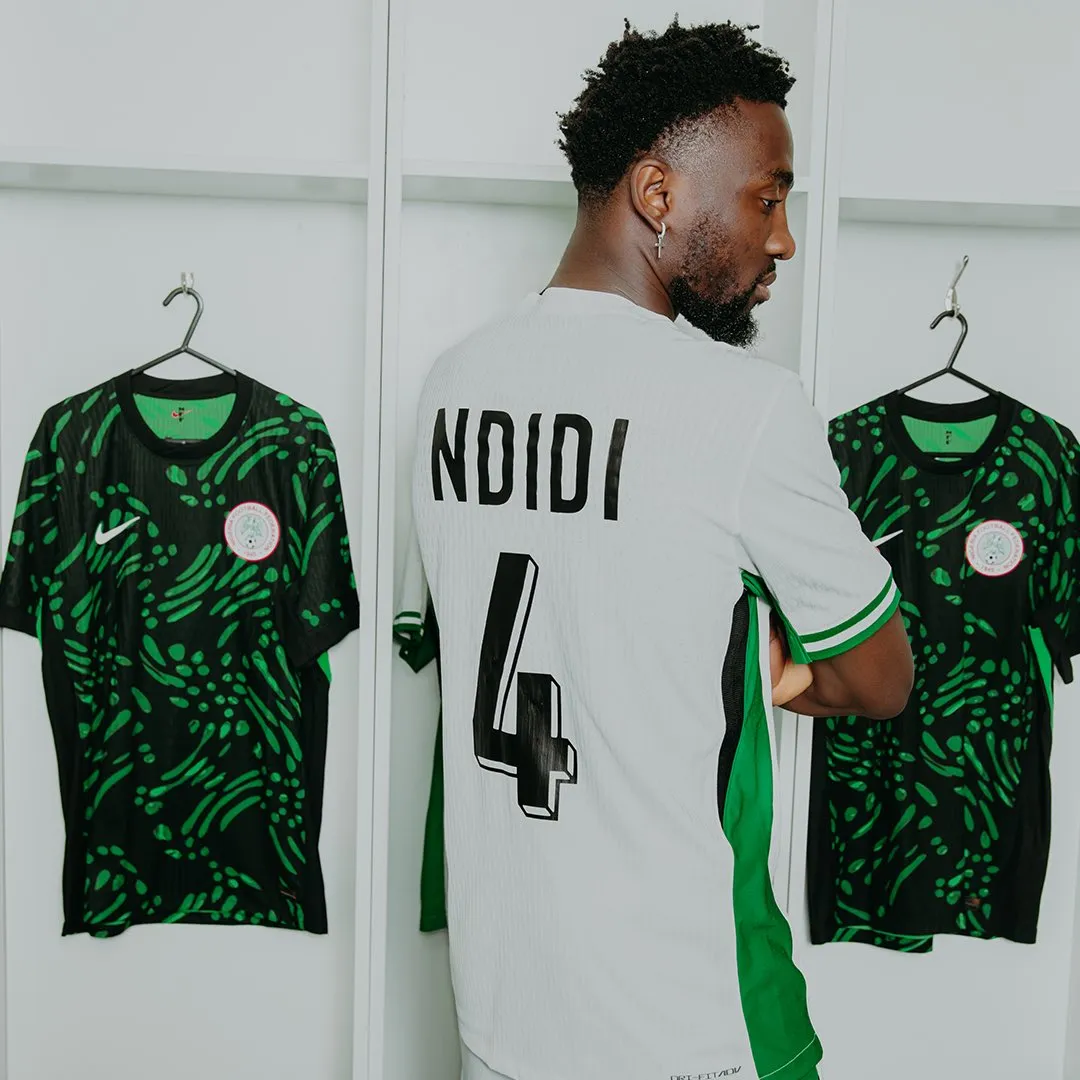
The 2026 Nigeria Super Eagles kit, made by Nike, keeps a strong focus on clean football design and national identity. It uses green as the main colour and builds a simple, modern look for match performance.
The home kit comes in light green with darker green details on the sleeves and sides. A faint pattern sits inside the fabric to add texture without making the shirt busy. It keeps a classic Nigerian look while still feeling updated for 2026. The away kit switches to white with bold green flame graphics across the front and sleeves, creating a stronger and more aggressive visual style.
Nigeria’s football identity stays at the centre of both designs. Green remains the key national colour across generations. Nike also adds streetwear influence, especially in the away kit, where the flame design brings speed and energy. Past Nigeria kits from the late 1990s also inspire the bold graphic style.
The home kit stands out for balance and simplicity. It is easy to read on the pitch and works in all match conditions. The away kit stands out more visually. It looks sharp and modern, but may feel too bold for some fans because of the heavy graphics.
Fan reaction is mostly positive. The away kit gets the most attention because it looks different from standard international shirts. The home kit also gets support for its clean and traditional style.
Nike produces the kit using lightweight materials built for breathability and comfort. The focus stays on performance, movement, and durability during matches while keeping the design clear and recognisable.
2. Ghana National Football Team Kit
Ghana’s 2026 kit comes from PUMA. It focuses on comfort, speed, and a clear national identity. Players wear a light, fitted kit so they can move easily during matches.
The home kit is white with red, yellow, and green details. The Black Star sits in the middle of the shirt and makes it easy to recognise. Small patterns add some energy but do not make the shirt look busy. So, the home kit stays clean and simple on the pitch.
The away kit uses a bright yellow colour. It also has soft patterns inspired by everyday life in Accra. These details make the shirt look more active and textured. However, it feels less simple than the home kit because of the extra design work.
The home kit looks calm and basic, while the away kit looks louder and more creative. Both kits still use Ghana’s main colours, so the identity stays clear. Together, they give the team two different looks for different matches.
Fans like the Black Star because it shows national pride in a simple way. Many also like the colours because they match the Ghana flag. Some fans prefer the home kit for its clean style. Others prefer the away kit because it looks more unique.
Overall, the 2026 Ghana kit mixes football needs with national style. It works well for matches and keeps the design easy to understand, while still showing a bit of culture.
3. Senegal National Football Team Kit
Senegal’s 2026 kit, made by PUMA, mixes national identity with simple performance design. The home shirt uses a white base with light green details and soft patterns inspired by Dakar’s “Car Rapide” minibuses. These minibuses shape the look through hand-painted style graphics that connect the shirt to everyday life in Senegal. Green touches on the collar and sleeves keep the design balanced and clear. The material is light, which helps players move and stay comfortable during matches.
The away kit looks stronger and darker. It uses a deep green base with sharp geometric patterns on the front. Red and yellow details come from the national flag and make the shirt easier to recognise on the pitch. This version feels bolder compared to the home shirt and stands out more during games.
Senegal’s 2026 kit works well because it links football with local culture in a simple way. The home shirt shows street life in Dakar through its patterns, while the away shirt focuses more on strong shapes and clear contrast. Both kits give the team two different looks depending on the match.
Fan reaction is mostly positive. Many like the home kit because it feels close to Senegalese culture. The away kit gets mixed views, with some fans saying the pattern is a bit busy. Even so, it still looks good during matches and on TV.
PUMA designs the kit with focus on comfort and performance. The shirts use modern fabric that helps players stay cool and move easily. Overall, the kit keeps things simple, modern, and connected to Senegal’s identity.
4. Ivory Coast National Football Team Kit
The Ivory Coast 2026 kit for Ivory Coast national football team, made by PUMA, focuses on strong national colours and simple performance design. It uses a clear split between a bold home kit and a cleaner away kit for different match needs.
The home shirt comes in bright orange with green details and strong patterns across the front. It stands out well on the pitch and is easy to spot during matches. The away shirt uses white with light patterns, so it looks calmer and less busy during games.
Designers take ideas from Ivorian textile art and local patterns. They turn these into simple shapes on the shirt. This keeps the design linked to culture without making it too complicated.
However, the home shirt can look too busy from far away, especially on TV. The away kit is easier on the eye and works better in contrast-heavy matches. Fans are split, as some like the bold look and others prefer a simpler style.
5. Morocco National Football Team Kit (Puma)
Morocco’s national football team’s 2026 kit uses a red home shirt with green and gold accents. The colours reflect the national flag in a clear way. Puma shapes the design with a modern fit and light fabric. Subtle patterns on the shirt draw from Moroccan textile craft and sit inside the fabric rather than sitting on top. This keeps the look clean and easy to wear on and off the pitch.
The away kit comes in white with gold detailing and follows the same design structure. It feels lighter and more minimal than the home version. However, both kits share the same base template, so only the colour changes the visual impact. The home shirt creates stronger identity during matches, while the away shirt works better for a simple look.
Cultural design elements come from traditional embroidery and craft patterns used in Morocco. Puma places these details around the collar, sleeves, and side panels. The aim is to connect football wear with local design heritage through small but clear visual cues.
Fans respond positively to the clean style and cultural links. Some say the detailing is hard to see during live games. Puma supplies the kit using lightweight performance materials built for elite competition.
6. Cameroon National Football Team Kit
Cameroon’s 2026 kit uses green, red, and white, matching the national flag. The home version comes in green, while the away shirt switches to red. Both share the same base design, with colour as the main change. A subtle lion pattern runs through the fabric, linking to the “Indomitable Lions” identity.
The home kit feels more traditional and steadier in appearance. In contrast, the away kit stands out more under stadium lights due to its brighter tone. Designers added light cultural details inspired by national symbols and visual heritage elements, giving the shirt more depth without changing the structure.
The third kit uses a white base with green accents and brush-style graphics across the front. It adds more contrast and gives variety within the set, especially compared to the stronger colours of the home and away versions.
Fan reaction stays divided. Some supporters value the national symbolism and bold identity. Others prefer a cleaner layout with fewer graphic elements. Much of the discussion focuses on how busy the patterns appear from a distance and how that affects clarity during matches.
Additionally, Cameroon works with Fourteen, a Swiss sportswear brand that handles its 2025–26 kit cycle, including all three versions.
7. Algeria National Football Team Kit
The 2026 Algeria kit by Adidas uses a simple design based on national colours. The home shirt comes in white with light desert-inspired patterns, while green details sit on the collar and shoulders. It keeps a clean style that reflects Algeria’s identity without heavy graphics.
The away kit shifts to a dark green base with subtle striping. This version creates stronger contrast and improves visibility during night matches. It is built with a sharper look to stand out more on the pitch.
Culturally, the home shirt draws from the Sahara Desert through soft sand-like textures across the fabric. It also features small Arabic text at the back of the neck, which highlights national identity in a direct and simple way.
By contrast, the away kit leans towards performance design. The darker tones and structured pattern give players a more defined visual presence in fast-paced games.
Fan reaction stays mostly positive for the home kit because of its clean look and cultural references. However, opinions on the away kit are more divided, as some fans prefer its modern feel while others see it as less unique.
8. Egypt National Football Team Kit (PUMA 2026 Collection)
PUMA designs Egypt’s 2026 kit with a deep red home shirt finished with gold and black detailing. Pyramid-inspired patterns run across the front to reference ancient Egyptian heritage, while the badge sits clearly on the chest. Lightweight performance fabric improves breathability during matches.
The home shirt uses red as the main colour with strong gold accents for a bold and traditional appearance. White defines the away kit, paired with light grey geometric patterns that keep the look minimal. Compared with the away version, the home design carries more visual impact, while the away shirt stays restrained and simple.
Ancient Egyptian architecture shapes the core design direction. Pyramid forms symbolise structure, history, and national identity. Gold elements link to heritage and cultural value, while geometric patterns draw from traditional Egyptian art.
The kit stands out through its cultural references and clear visual identity. Performance materials support movement and comfort on the pitch. Some viewers may find the home shirt visually dense, while others prefer its detailed approach. The away kit offers a cleaner alternative but may feel understated next to more expressive international designs.
Reception leans positive, especially around its heritage-driven concept and modern execution, though preferences vary between bold and minimal styling.
PUMA produces the kit using performance-focused textiles and recycled materials across its international football range.
9. South Africa National Football Team Kit
South Africa’s 2026 kit is seen as one of the best African football jerseys because it has a clean and simple design. The home shirt uses a bright yellow base with green details, matching classic African national team shirts. The design focuses on easy visibility on the pitch, comfort, and modern performance fabric. Small patterns on the shirt show unity and cultural diversity in a subtle way.
The away kit uses a dark green base with lighter green accents. It gives a calmer and simpler look compared to the home kit. Both kits use the same design style, with colour being the main difference.
The design links to South Africa’s football history, especially the 2010 World Cup. The shirt uses texture instead of loud graphics, which keeps it simple and easy to wear.
Fan reaction is mixed. Some people like the clean style and modern feel, while others want more bold designs in the best African football jerseys rankings. Adidas makes the kit and uses its standard performance materials used in many African national team shirts.
10. Tunisia National Football Team Kit
The 2026 Tunisia kit is made by Kappa and follows a clean, modern football design. It highlights national identity through subtle details instead of heavy graphics. Lightweight fabric and a slim fit support performance on the pitch.
The home kit uses white as the main colour with red accents based on national colours. The away kit switches this, using red as the base with white details for contrast. Both versions share the same template, which keeps the range consistent.
Design inspiration comes from the “Eagles of Carthage”. A feather pattern across the shoulders reflects strength and national pride. Designers integrate this cultural element into the fabric, which avoids a crowded or overly decorative look.
Strength comes from its simplicity and consistency. The kit delivers a clear identity and works well in international tournaments. Weakness appears in its minimal style, which may not stand out next to more detailed African kits in 2026.
Fans respond mostly in a positive way. Many value the clean design and cultural meaning, while others prefer stronger visual impact. Opinions split between tradition and more expressive styles.
Kappa produces the kit and continues its long-running partnership with Tunisia.